

Cooler temperatures, colorful leaves, and scenic drives make fall one of the best seasons to be on the road.
But autumn also brings a new set of challenges for your car.
Fallen leaves collect around the body. Tree sap can leave sticky spots on the paint. Frequent rain carries dirt across the surface and can leave behind water stains when it dries.
Individually, these problems may seem minor. Left unattended, however, they can make your car harder to clean and may eventually affect the appearance of the paint.
The good news? A little seasonal maintenance goes a long way.
Here’s how to protect your car from fallen leaves, tree sap, rain, and water spots this fall—and keep that freshly detailed finish looking its best.
Why Fall Car Care Matters
Every season exposes your vehicle to different types of contamination.
During fall, your car may be exposed to a combination of leaves, rainwater, tree residue, mud, road grime, dust, and changing temperatures.
And you don’t need to be driving for these contaminants to accumulate.
Even a parked car can collect dirt from the surrounding environment. Rain can carry contaminants across the paint, while leaves and other organic debris can settle into areas that are easy to overlook.
That is why fall car care isn’t only about appearance. It is about removing contamination before it becomes difficult to deal with.
A simple routine of inspection, washing, drying, and protecting the paint can make maintaining your car much easier throughout the season.
Fallen Leaves: More Than Just a Mess
A few leaves sitting on your car may not look dangerous.
The bigger problem is where they end up.

Fallen leaves can accumulate around the base of the windshield, front grille, engine compartment, trunk openings, and other gaps around the vehicle.
Accumulated leaves can interfere with water drainage and contribute to mud and dirt buildup. Leaves rubbing against a dirty surface can also increase the possibility of fine scratches.
Wet leaves deserve particular attention.
Once leaves become soaked by rain, they tend to stick to the vehicle rather than simply blowing away. Dirt can then collect around them, and moisture may remain trapped underneath for longer periods.
How to Remove Fallen Leaves Safely
Avoid rubbing dry leaves across dusty paint.
Instead, pick up larger leaves gently by hand before washing your car.
Pay particular attention to the area beneath the windshield and around drainage channels. If leaves have collected around the grille or engine compartment, make sure the engine has cooled before cleaning the area.
Then rinse the vehicle thoroughly before making physical contact with the paint.
This first rinse helps remove loose sand, dust, and small particles that could otherwise be dragged across the surface during washing.
Fall car care tip: Take 30 seconds to inspect the base of your windshield every few days if you regularly park outdoors or near trees. Removing leaves before they build up is much easier than dealing with the dirt they can leave behind.
Tree Sap: Remove It Before It Hardens
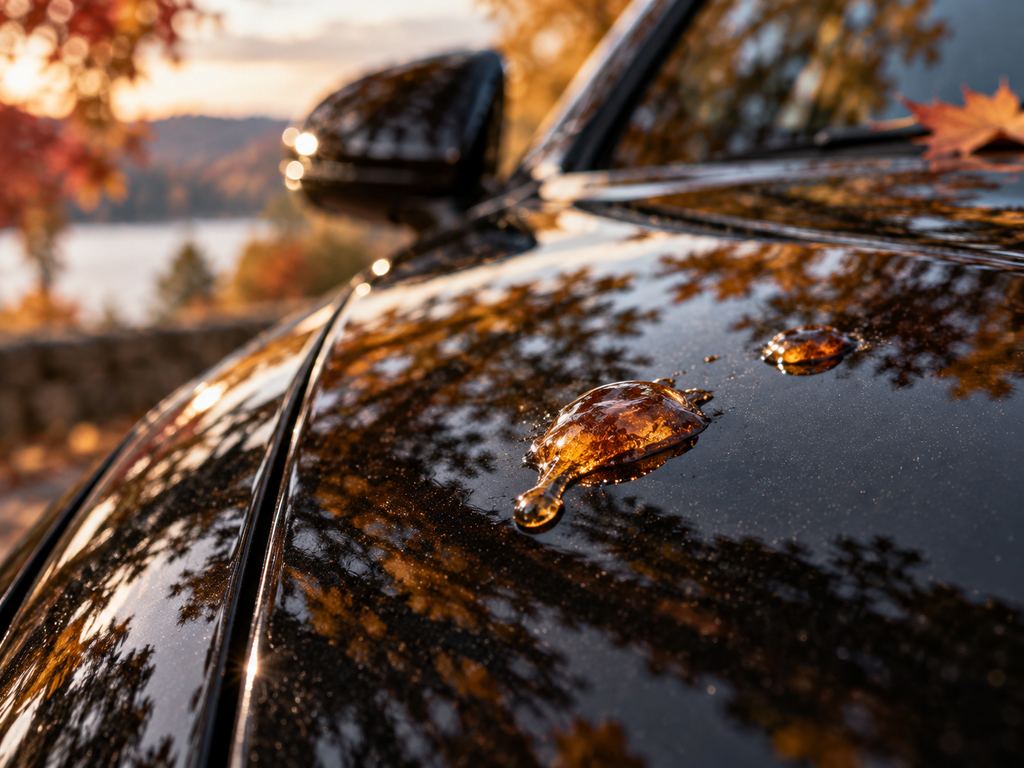
Tree sap is one of the more stubborn natural contaminants that can land on car paint.
You are most likely to encounter it when parking beneath or close to trees, although environmental conditions can allow sticky tree residue to travel beyond the immediate area around a tree.
Fresh tree sap may appear as small clear, amber, or sticky spots on the hood, roof, trunk, glass, or other surfaces.
The real problem begins when it is ignored.
Tree sap can gradually harden into a resin-like deposit. Once hardened, it may no longer come off with a normal car wash, and leaving it attached for an extended period can contribute to paint discoloration. Forcing hardened sap off mechanically can also damage the surface.
That makes one rule especially important:
Remove tree sap as early as possible.
How to Remove Tree Sap from Car Paint
Start with the gentlest method.
Rinse the surrounding area first so that you are not rubbing dust or grit into the paint.
Then wash the affected area with a proper automotive shampoo and plenty of water.
If the sap is still fresh, washing may be enough to loosen it.
For more stubborn residue, warm water can help soften the contamination before further treatment. Do not scrape hardened sap with your fingernail, a plastic card, a blade, or another hard object.
If the contamination remains after normal washing, move to an appropriate automotive decontamination or cleaning method rather than applying additional physical pressure.
For severely hardened contamination—or whenever you are unsure about the condition of the paint—professional detailing may be safer than trying to force the deposit off.
The principle is simple:
Soften and remove contamination gently. Never fight stubborn tree sap with friction.
Rain Can Leave More Than Water Behind
Rain may look like clean water, but the surface of your car usually isn’t perfectly clean before the rain starts.
Dust, traffic film, exhaust-related contamination, oil residue, and other particles can already be present on the body.
As rainwater moves across the vehicle, it can carry that contamination with it. When the water eventually evaporates, some of the dirt can remain attached to the paint.
This is one reason you may notice dark streaks underneath door handles, side mirrors, trim, badges, and panel gaps after rainy weather.
This type of water staining as contamination that is carried by rainwater and becomes attached to the surface as the water naturally dries. Regular shampoo washing helps remove the contamination before it becomes stubborn.
Rain can also contribute to another familiar problem:
water spots.

When droplets remain on the vehicle and dry, dissolved minerals and contamination can be left behind on the surface. Repeated drying can make these marks increasingly noticeable, particularly on dark-colored paint.
That is why simply waiting for the next rainstorm to “wash the car” isn’t a good maintenance strategy.
Rain is not a substitute for a proper car wash.
Wash Your Car Regularly During Fall
One of the easiest ways to protect your car during autumn is also one of the simplest:
Don’t allow contamination to accumulate.
Regular washing removes dirt before it has time to become firmly attached to the surface.
A pH-neutral automotive shampoo such as SurLuster Car Shampoo 1000 is designed to clean vehicle paint while remaining gentle on existing wax and coating layers.
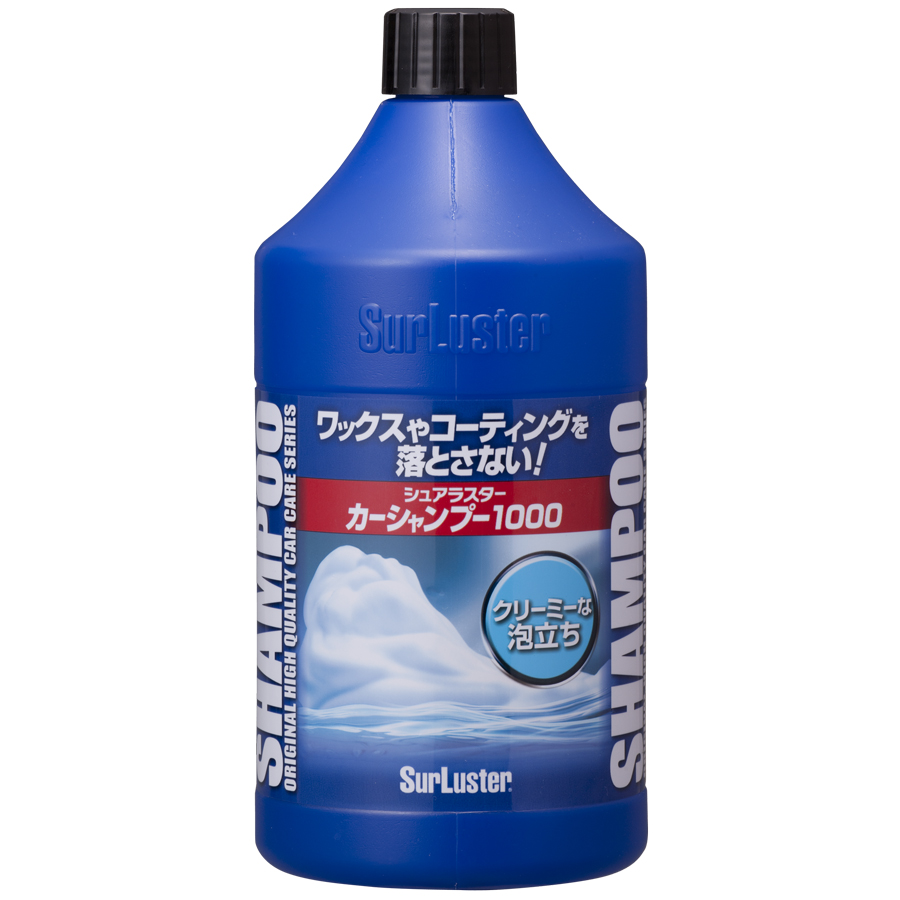
Its rich foam helps lift dirt from the surface, reducing unnecessary friction while washing.
For a safe fall wash:
- Work in the shade and make sure the body is cool.
- Remove large leaves by hand, then thoroughly rinse the vehicle to flush away loose dust, sand, and debris.
- Wash from the upper sections downward using plenty of shampoo solution and a clean wash mitt or sponge.
- Rinse thoroughly before the shampoo can dry.
- Dry the vehicle with a clean microfiber towel instead of allowing water to evaporate naturally.
SurLuster’s Car Shampoo 1000 instructions likewise recommend rinsing away sand and dust first, washing gently with rich foam, rinsing thoroughly, and removing remaining water droplets after the wash.
The goal isn’t complicated.
Remove loose contamination first, minimize friction, and don’t leave dirty water to dry on the paint.
Don’t Forget to Dry the Car
Drying is one of the most overlooked steps in car washing.
You may be tempted to finish rinsing and simply let the air or sun take care of the rest.
But when water evaporates on the vehicle, whatever is dissolved or suspended in that water can remain on the surface.
Instead, dry the body using a clean, soft microfiber towel.
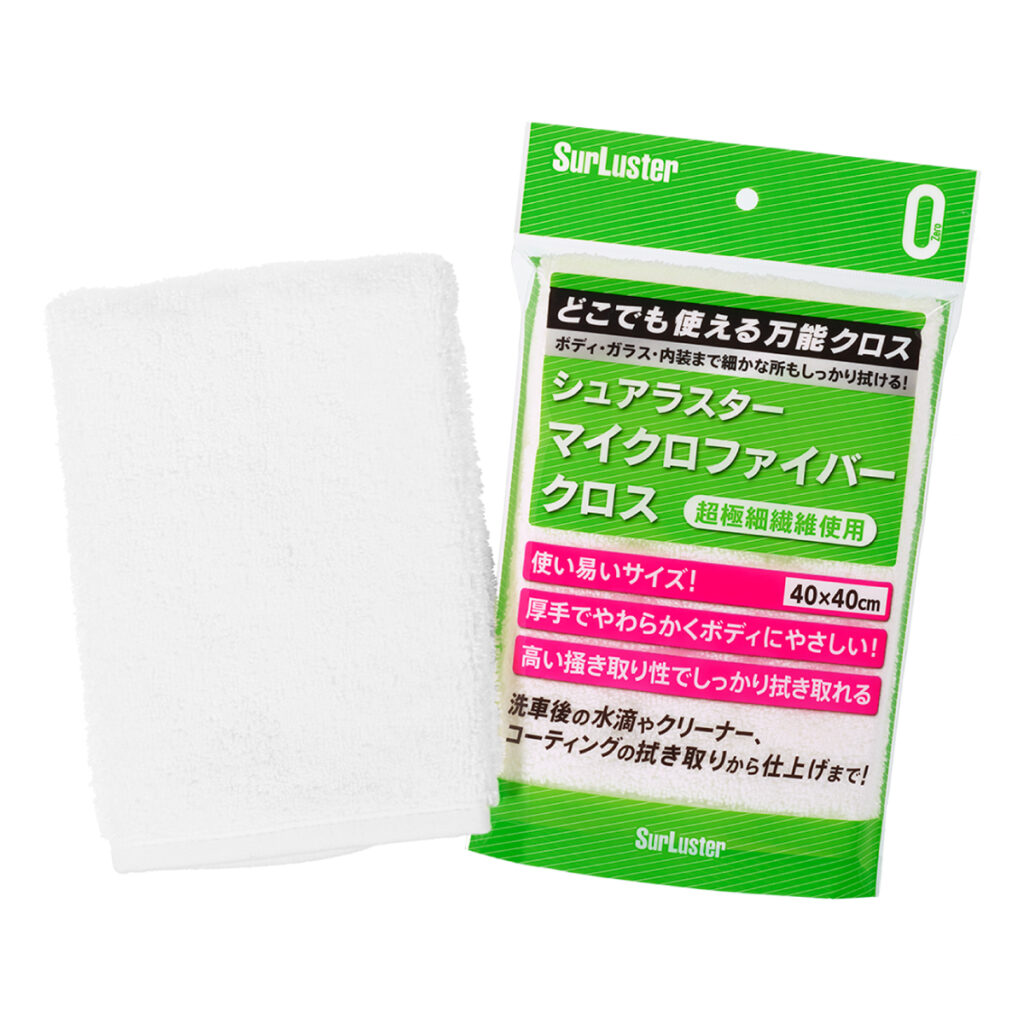
Pay attention to places where water tends to hide and later run out, including side mirrors, door handles, badges, trim edges, the fuel door, and panel gaps.
Those small streams of leftover water are often responsible for the streaks you notice several hours after washing an otherwise clean car.
A few extra minutes of drying can make a significant difference to the final finish.
Add Paint Protection Before Fall Weather Gets Worse
Cleaning removes contamination.
Protection helps make future cleaning easier.
After washing and decontaminating the paint, consider applying a wax or spray coating to create a protective layer over the surface.
For drivers who park outdoors, SurLuster Zero Water is particularly well suited to this type of maintenance.
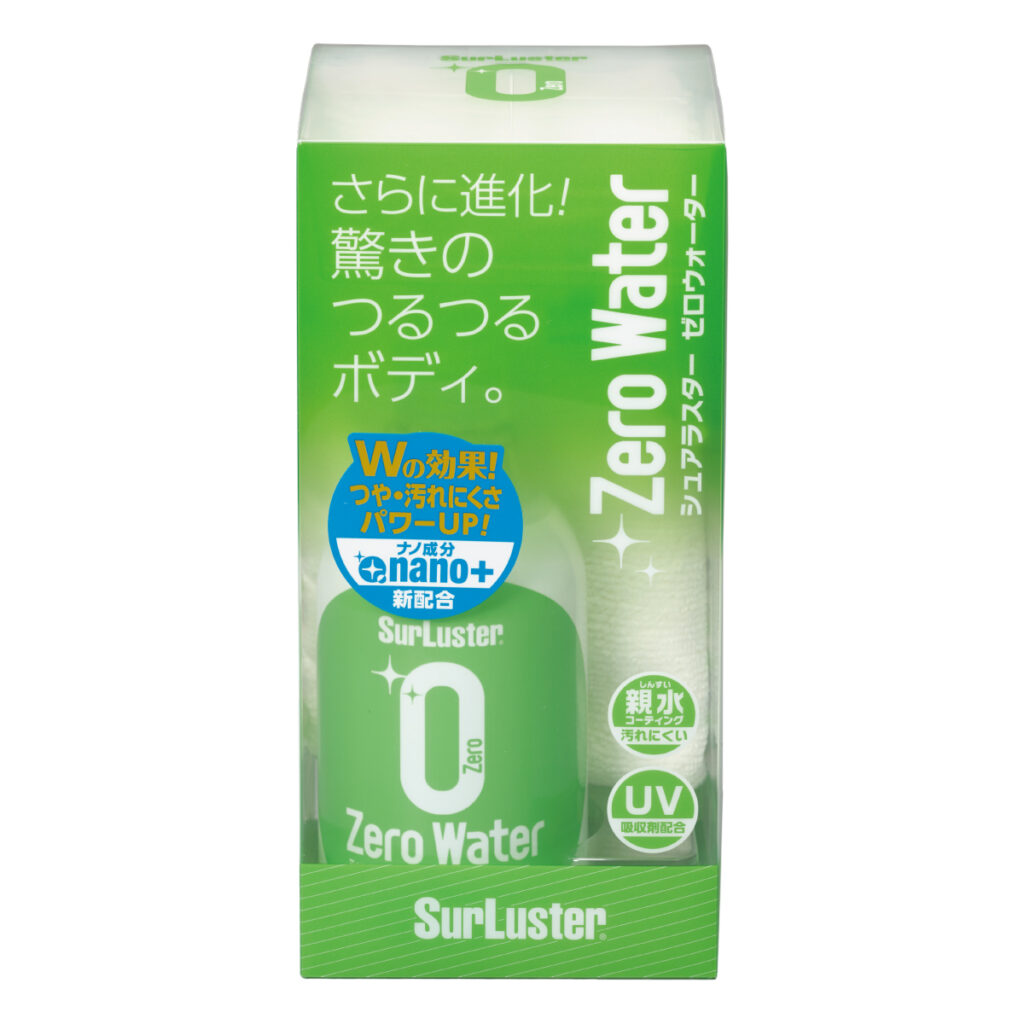
Zero Water uses a glass-based hydrophilic coating. Instead of encouraging water to remain as numerous tight droplets, hydrophilic behavior allows water to spread across the surface more easily.
We particularly recommends Zero Water for vehicles parked outdoors and for dark-colored cars, as its hydrophilic water behavior helps reduce the amount of water remaining as concentrated droplets on the surface, making water spots less likely.
Zero Water formulation also contains UV absorbers, works on all paint colors, and provides protection for up to approximately two months. Application is simple: spray and wipe after washing.
Fall is therefore a great time to refresh your paint protection before increasingly wet weather arrives.
Remember, however, that a coating does not make a car maintenance-free.
Leaves, sap, dirt, and rain residue should still be removed regularly.
Think of a coating as making good maintenance easier, rather than replacing it.
Check Your Car After Parking Under Trees
Sometimes parking under a tree is unavoidable.
If that is where your car spends most of the day, make a quick inspection part of your routine.
Look across the hood and roof from an angle. Check the windshield. Inspect the trunk and the area below the windshield for leaves.
You’re looking for anything that wasn’t there before:
sticky spots, leaves, bird droppings, dirt streaks, or other organic contamination.
Catching these problems early can turn what might eventually become a difficult detailing job into a quick maintenance wash.
This is particularly important for tree sap because once it hardens, normal shampoo washing may no longer be enough to remove it safely.
A Simple Fall Car Care Routine
You don’t need to detail your car every weekend to protect it through autumn.
A consistent routine is more important than an intensive one.
Inspect your vehicle regularly, especially after parking near trees or after heavy rain. Remove leaves before they accumulate. Wash away dirt and fresh contamination promptly. Dry the body instead of allowing water to evaporate naturally. Address tree sap as soon as you notice it. Keep your wax or coating maintained so the paint has an additional layer of protection.
Do these things consistently and fall maintenance becomes much easier.
Keep Your Car Looking Its Best This Fall
Fall should mean colorful drives—not a hood covered in sticky tree sap and water stains.
The key to protecting your car is catching seasonal contamination before it becomes stubborn.
Remove leaves early. Clean tree sap quickly. Wash away rain-carried grime. Dry the vehicle thoroughly. And maintain a protective layer on the paint.
With a little preventive care, you’ll spend less time fighting stubborn contamination and more time enjoying a clean, glossy car throughout the season.
For an easy fall car care routine, start with SurLuster Car Shampoo 1000 for safe regular washing and finish with SurLuster Zero Water for simple hydrophilic paint protection.
Clean. Protect. Enjoy the drive.
