
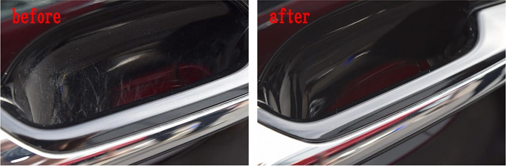
Stubborn water spots that shampoo can’t touch, plus pesky light scratches on door handles and high-touch areas, are no match for SurLuster Spirit Cleaner. This silicone-based compound cleaner safely removes tough contaminants while filling and buffing out minor scratches—transforming your paint’s appearance dramatically. After treatment, wax or coating application looks incredibly better: deeper gloss, smoother surface, and enhanced color depth.
Why Skip Aggressive Scrubbing?
Never try to rub off water spots or scratches with a sponge during shampoo washing—it grinds in grit and creates new swirls or deeper marks. Use Spirit Cleaner as a dedicated step after washing for safe, effective correction.
Types of Cleaners
There are two main types of cleaning actions found in cleaners, and they should be selected according to the intended use.
| Physical abrasion | Chemical decomposition | |
| Cleaning component | Abrasive agents | Cleaning solvents |
| Coated vehicles | Not suitable | Suitable |
How to Choose a Cleaner That Uses Physical Abrasion
Generally, cleaners with different levels of abrasiveness are used depending on the paint color.
| Paint color | Abrasive strength |
| Light colors (e.g., white) | Strong (coarser abrasive particles or higher abrasive content) |
| Dark colors (e.g., black) | Weak (finer abrasive particles or lower abrasive content) |
One drawback of physical abrasion is that it can remove material even from areas where abrasion is unnecessary. Cleaners containing abrasives may seem convenient at first, but if the paint surface is already sufficiently clean, using them can cause unnecessary scratches by polishing the paint.
Cleaners Based on Chemical Decomposition
Chemical decomposition using cleaning solvents is considered milder compared to physical abrasion. However, cleaning solvents generally have a strong petroleum odor, and using them for long periods in poorly ventilated areas may cause discomfort or nausea. In addition, if the paint surface comes into direct contact with the cleaning solvent for an extended time, there is a risk of staining or other damage.
Effect of Cleaner
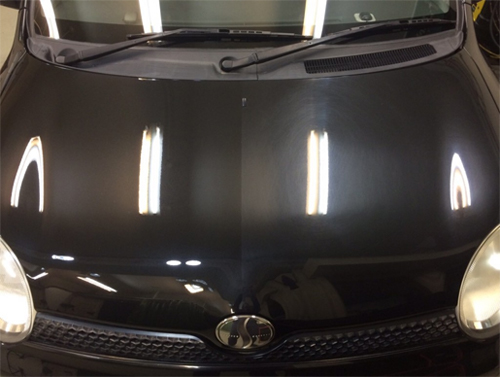
By polishing with a cleaner that contains compound, you can remove not only water stains but also minor scratches, properly preparing and smoothing the underlying surface.
Step-by-Step: How to Use
1.Apply to Sponge
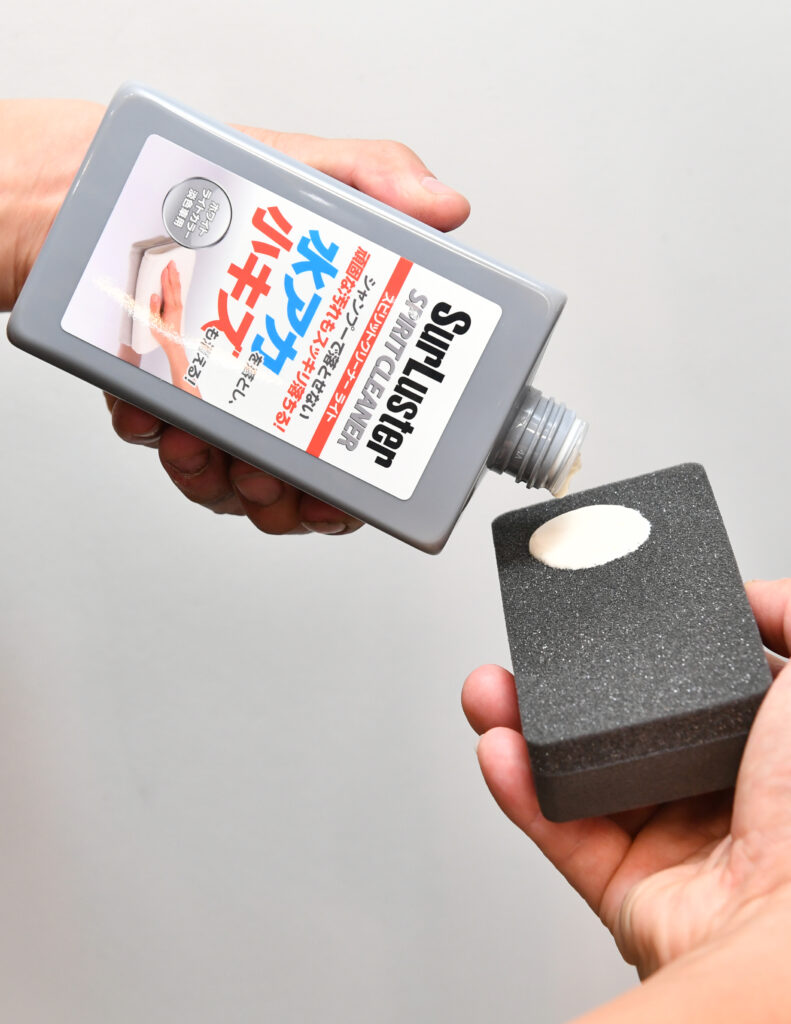
Squeeze a coin-sized amount of Cleaner onto the dedicated sponge.
2. Apply to Surface
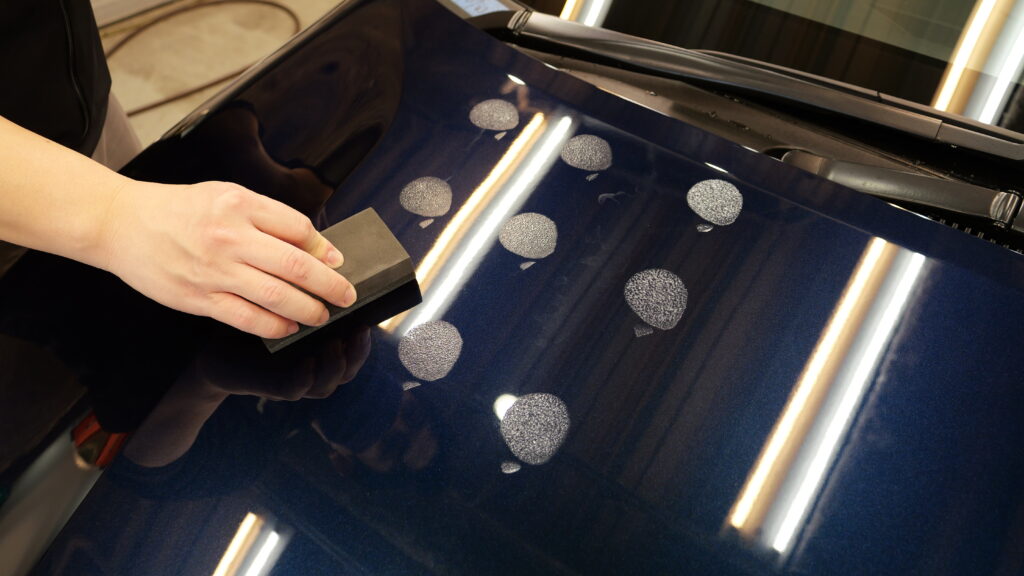
Work panel by panel (e.g., hood, doors) to avoid missing spots. Start with high-touch areas like door handles for light scratches.
3.Polish Gently
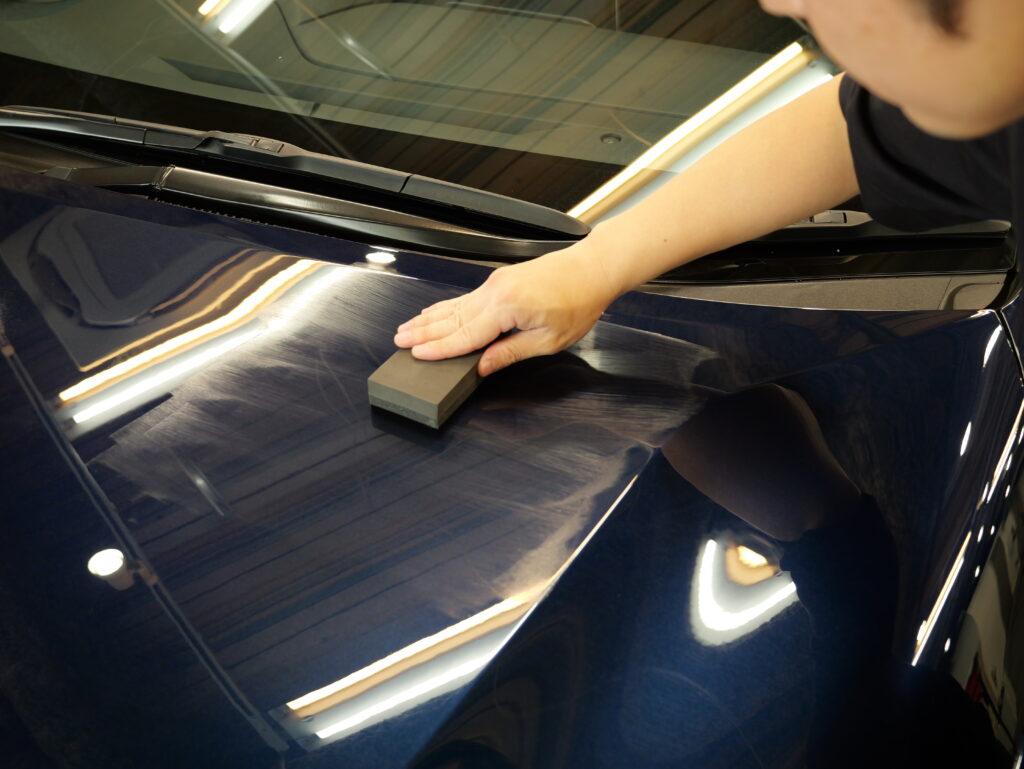
On a 30cm × 30cm area, polish in alternating vertical and horizontal strokes (crosshatch pattern). Use moderate, even pressure—avoid excessive force to prevent new scratches or over-thinning clear coat/coating.
4. Wipe off Promptly
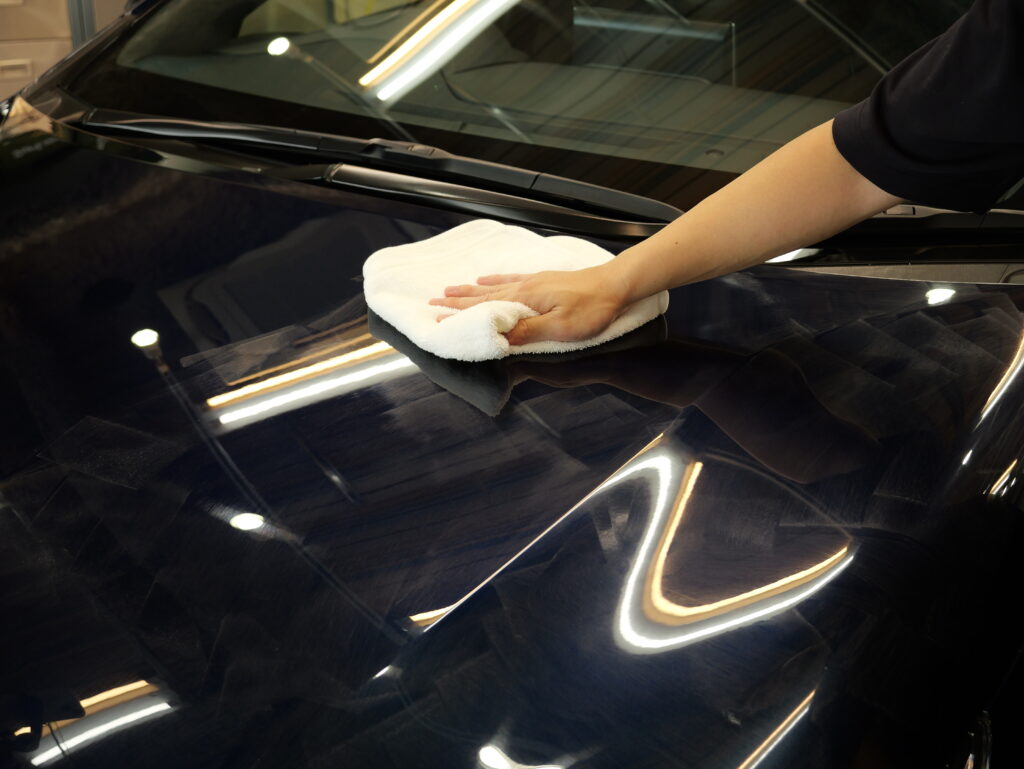
Before the product fully dries, buff off residue with a clean microfiber cloth. Check for evenness—no streaks or haze. Wipe panel by panel for uniform results.
SurLuster One-Point Expert Tips
- Spirit Cleaner has very fine polishing particles, but as a compound-type product, repeated heavy pressure in the same spot can slightly thin coatings or clear coat. Hand polishing keeps impact minimal (just levels the surface).
- For coated vehicles: Use sparingly—mild abrasion may affect top layers over time, but proper technique preserves most protection.
- Always test in a small area first.
For Quick Water Spot Removal
Check: SurLuster Zero Cleaner
Next in the SurLuster Car Care Guide: Wax Application – Seal in that perfect prep for deep, natural protection and gloss.
